Cookies ahead

Our support chat tool "Intercom" would like to collect some more data on you. See the related link for more details.

Docs

fortrabbit blog

RSS— All posts

Building a hosting platform, sharing our journey.

2026

🚀
Three three-letter acronyms for the new platform — and a skills update that glues them together.
🆕
More temp space, log downloads that finish, a handful of dashboard fixes, and a website that lost its hosting guide.
🧭
I have built an openly-licensed, ratings-free register of web hosting providers. Why?
🆕
A command palette for the dashboard, logs in the browser, MySQL timezone support, and a public API taking shape.
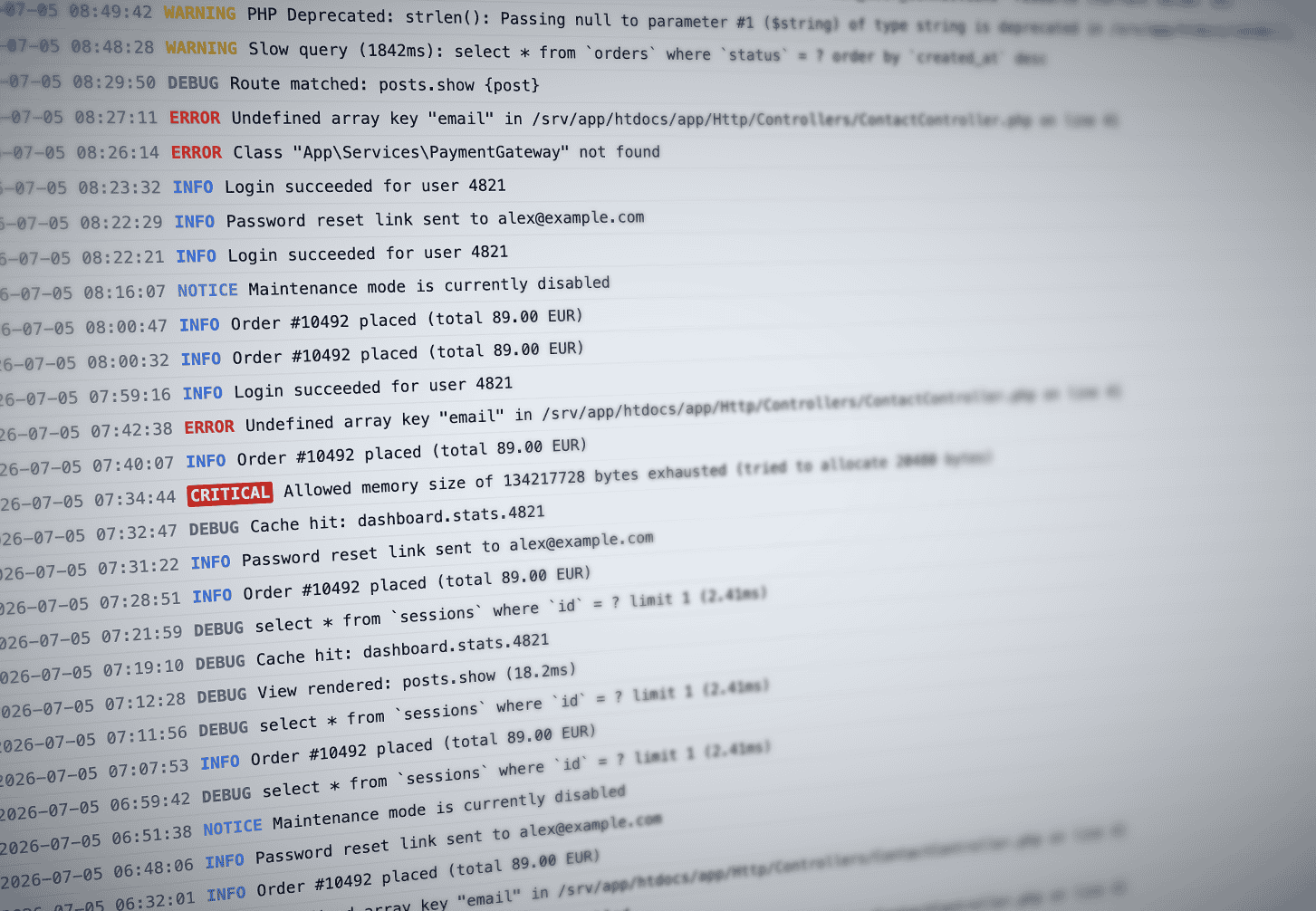
Read PHP, access, Apache, and Jobs logs right in the dashboard. Filter, follow live, download — no SSH required.
🩺
A take on PHP application performance monitoring and meta-observability.
🆕
US data center live, a new actions menu, social logins, and better mails.
📓
Why we left Notion for a folder of Markdown files, and the gotchas we hit along the way.

fortrabbit apps can now be hosted in the US data center on the new platform.
🐬
Two ways to upgrade an app on the old fortrabbit platform from MySQL 8.0 to 8.4, now that 8.4 is the default for new apps.
🆕
Longer trials, agent skills, environment thumbnails, and a MySQL upgrade on the way.
🖱️
Why fortrabbit doesn't offer 1-click installers — and the local-first workflow we recommend for shipping real PHP projects.
🇪🇺 🇺🇸
A German company on American infrastructure serving a global customer base. On EU data sovereignty, and what European should mean.
🦾
An early preview of fortrabbit agent skills: plain-text instruction files that teach AI coding assistants how to manage apps.
🆕
April 2026 on the new platform: GitHub deployment comments, smoother dashboard flows, smarter deployments and better documentation.
🔖
Building an environment variable editor that handles multiline values, special characters and a base64 helper without feeling clever.
🧙
Autoscaling arrives for MySQL, web storage and traffic: plans move up when usage grows and back down again, without any interaction.
🚩 🙅‍♂️ 🚩
An inbox full of AI-written cold outreach, collected over weeks and read closely. What the most sophisticated spam so far looks like.
🐘
PHP 8.5 is live on both platforms: selectable in the dashboard, default for new apps, and available through the latest setting.
📡
Building RSS feeds for a Nuxt Content blog with fuzzy prompts and little supervision. What the AI got right, and where it went off.
🦋
Usage metrics land in the fortrabbit dashboard: MySQL storage, web storage and monthly traffic, shown per environment as they update.
F
fortrabbit co-founder Frank spends an hour on the SaaS Unbound podcast with Anna Nadeina, talking about bootstrapping hustles.
Spot signs of a hacked PHP website, clean infected files, restore from backup, and lock things back down.


2025

💡 ⏱️
Five developers, no venture capital, competing with giants. A brain dump on motivation, project management and business philosophy.
👯‍♀️👯‍♂️
The new fortrabbit platform opens in public beta after years of work — a hosting service rebuilt from scratch rather than updated.
A farewell to the old fortrabbit design — sharp rectangles, a custom SCSS framework, Raleway — and a first look at what replaces it.
Interactive interfaces without splitting the stack: how a modern PHP monolith competes with a decoupled headless architecture.
Decoupled systems with a JavaScript frontend and a PHP backend: what headless actually means, how it is built, and when it pays off.
🚢
Deploy Laravel to fortrabbit via GitHub — environment variables, build commands, post-deploy migrations, queue workers and zero-downtime swaps.
Chromopoly logo
Chrome holds around 65 percent of the browser market. What that concentration means for competition, privacy and web standards.
🤖
AI site builders generate code, content and layout in seconds. What that leaves for the people who build websites for a living.
Standard DNS forbids CNAME records at the apex. More providers now offer ANAME and ALIAS records that route a bare domain to a host.
Vertical browser tabs move the tab strip to the side, which quietly complicates web development if the pattern ever goes mainstream.
A high-impact Craft CMS vulnerability in the asset transform endpoint, what fortrabbit blocked, and what every installation must update.
PHP 8.4 rolls out across the fortrabbit platform. The full version list, the sequential update procedure and the expected downtime.
Making scripts with a shebang line run as expected on a hosting platform, by modifying the C standard library without giving up security.
It's complicated. The relation between open source and web hosting from our point of view
Rewriting a hosting platform from scratch is the mistake every essay warns about. Why fortrabbit did it anyway, and how it went.
Hiring at a small company without an applicant tracking system or a hiring manager, and the things that end an application early.
Choosing a billing provider for a hosting platform: the requirements, the candidates, and why a homebrew system finally had to go.

2024

After a decade on AWS, a new platform is a chance to reconsider. How infrastructure providers were evaluated, and against which criteria.
Need to reset your Craft CMS admin password but email functionality isn't working?
Why a hosting dashboard gets collaboration features that look like a small social network, and what agencies and freelancers do with them.
Doing first-level support and product ownership at once: how client conversations turn into features rather than just bug reports.
Action-oriented UX puts the verb first, closer to how people speak and think, instead of the object-first layouts most dashboards use.
Why the new fortrabbit platform drops horizontal scaling, a signature feature of the Pro Stack, and what replaces it.
PHP and JavaScript have grown apart. What is missing between them in 2024, seen from a company that hosts one and serves the other.
So many options - React, Svelte, Vue, Nuxt, htmx, Interia, Livewire. What to choose for our new web properties?
Fail early they say. Don't throw hardware on performance problems we say.contributions.
PHP 8.3 rolls out to all Uni and Pro apps. The version list for PHP and its extensions, the schedule and the downtime to expect.
Update your Craft CMS 4 installation. There is a low-effort high-impact vulnerability out there.
🤔
Insert a link in Slack, Notion, Linear, Obsidian and VS Code, and get five different shortcuts. A rant about relearning basic actions.

2020

Composer 2 lands on fortrabbit and makes git deployments considerably faster. What to expect, and how to fix a build that breaks.
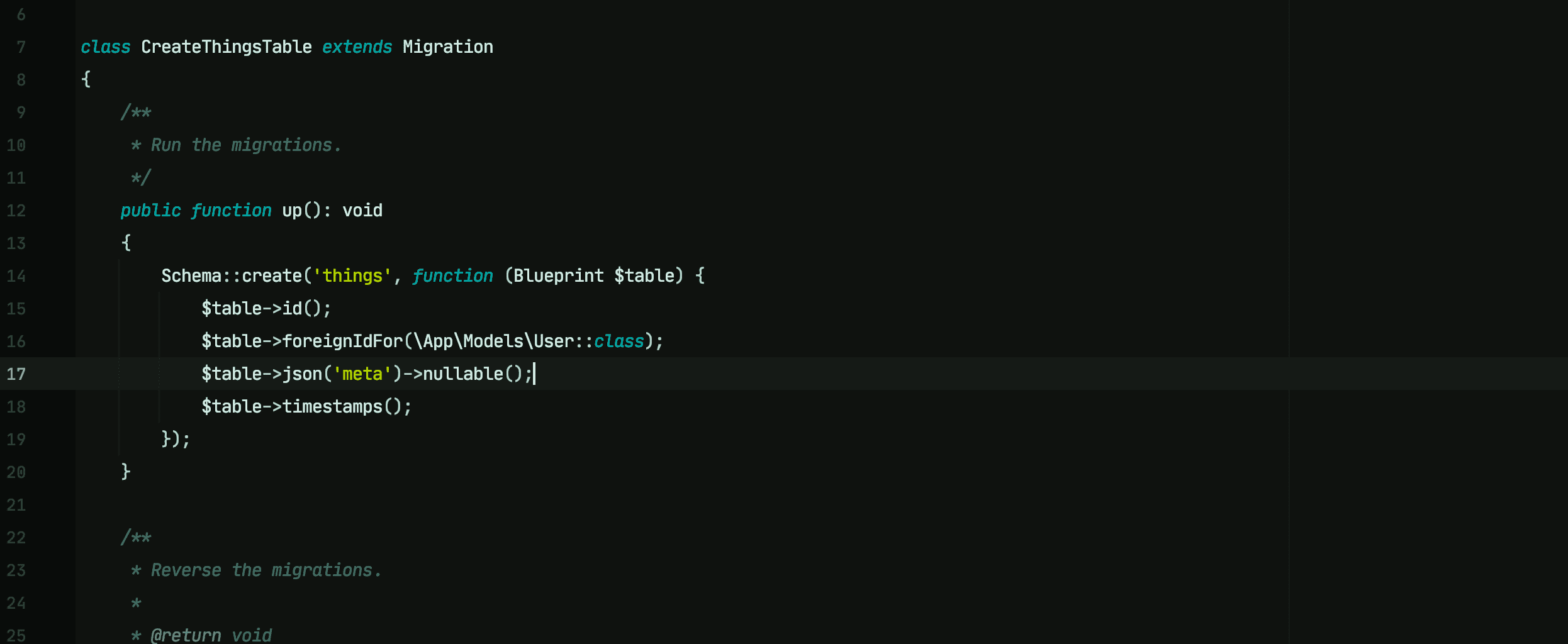
JSON columns let MySQL hold data that does not fit a strict schema. How to declare, query and cast them from a Laravel application.
Let's Encrypt will change its root certificates. Learn how this might affect you as a fortrabbit client.
Our command line tool to help with Craft CMS deployment on fortrabbit is now production grade ready.
PHP 7.2 stops receiving security updates and support on fortrabbit ends. The quick upgrade route that works for most apps.
We are finally making MySQL 8 available. What clients need to know about the roll-out.
A first look at Craft Nitro, the local development tool by Pixel and Tonic, measured against DDEV for running a Craft CMS site.
The European Court of Justice invalidated the EU-US Privacy Shield. What that means for a hosting platform and for its clients.
Set up a local Craft CMS development site with DDEV, the Docker-based tool that became our recommendation for local PHP work.
What PHP development tools are available? What are the pros and cons of each tool?
A critical vulnerability in the Craft CMS plugin SEOmatic. How to check whether an installation was affected, and how to clean up.
What fortrabbit changed in March 2020 to keep client sites online: remote work, shared responsibility and extended documentation.
The platform update bringing PHP 7.4 and a set of extension bumps, with version numbers, timing and expected downtime.
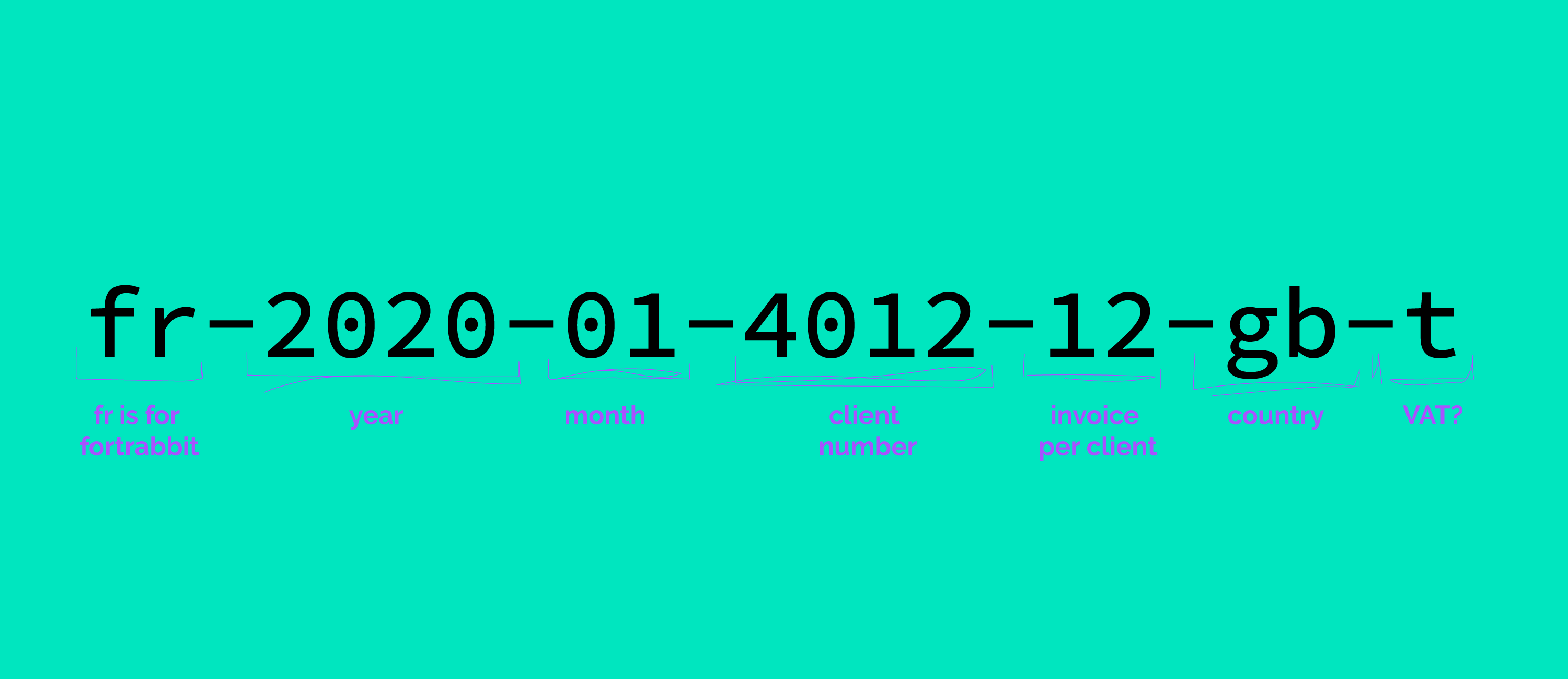
How our new invoice numbers are structured and what went wrong when we rolled it out.

2018

What else you need to know about the upcoming EOL of the two PHP versions 5.6 and 7.0.
Craft Copy, an open-source command line tool that syncs code, assets and the database between a local Craft CMS and fortrabbit.
Run automated compatibility checks against PHP 7.2 before switching a live app, and catch the breaking changes ahead of time.
Security support for PHP 5.6 and 7.0 ends in December 2019. The minimum-effort route to move an app to PHP 7.2 before then.
PHP 5.6 and PHP 7.0 deadlines: Why is so much old PHP around? What we will do!
Upper is an open-source Craft CMS plugin that wires a pull CDN — Cloudflare, Fastly, KeyCDN — into the CMS as an edge cache.
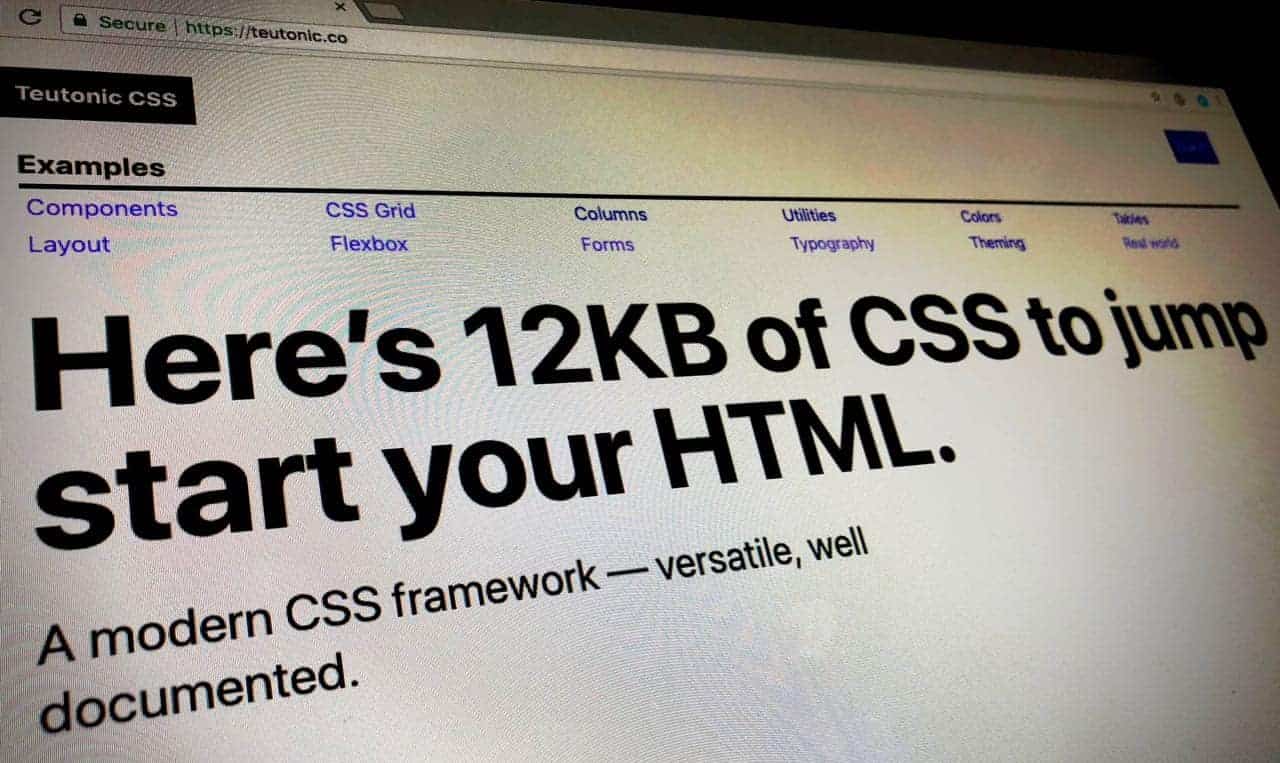
Teutonic CSS, an open-source CSS framework grown out of the stylesheet behind fortrabbit, and the thinking that shaped it.
Props to the OSS communities and highlighting some of our open source contributions.
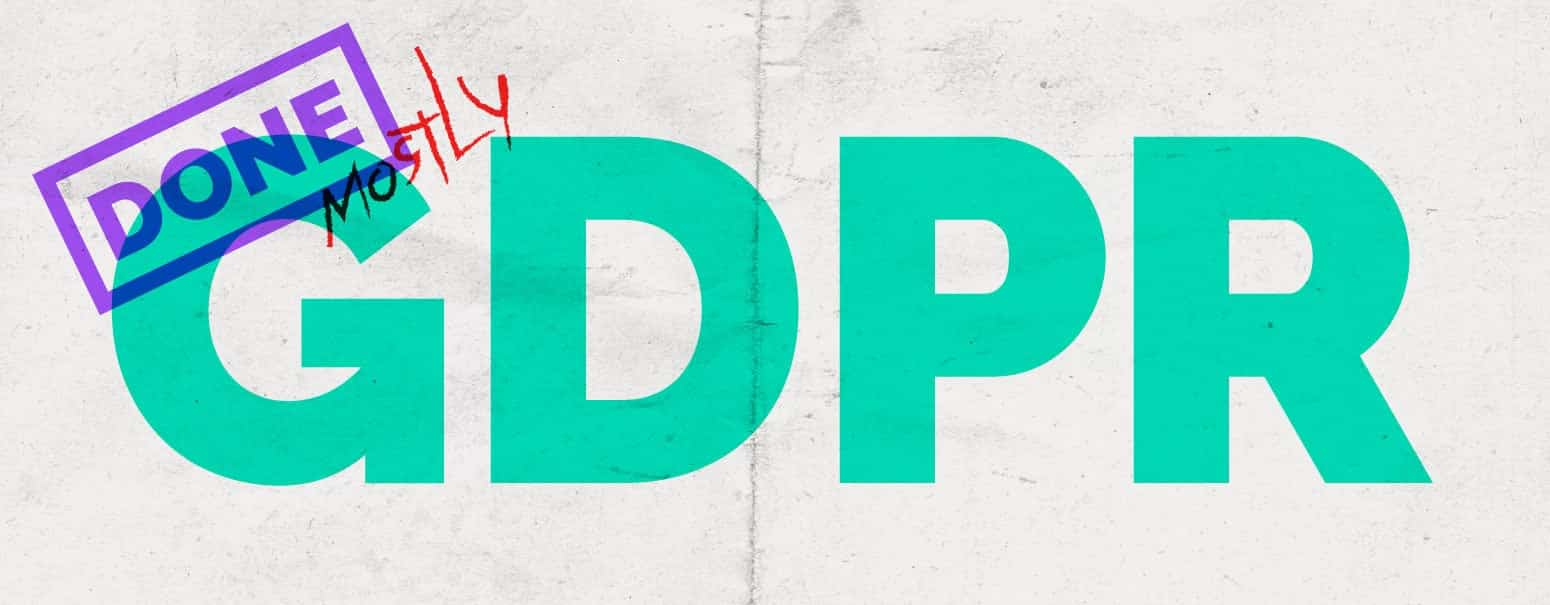
GDPR is here. Wat is changing for our clients, what not, why and when.
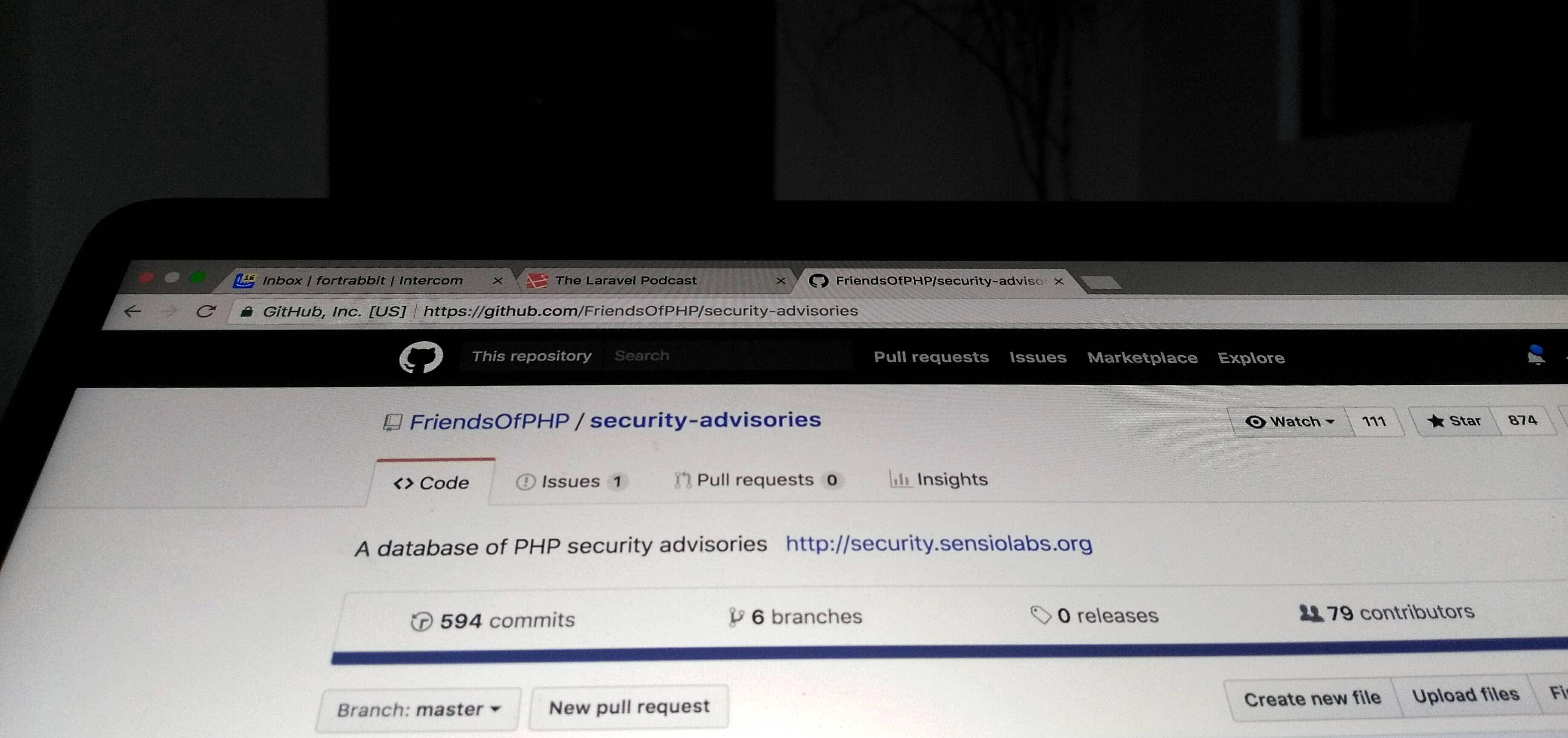
Ultimately, you are responsible for your code and as well for the 3rd party code you rely on.
A collection of Facebook reaction bots found on hosted sites, and the accidental brutalist beauty of their interfaces.

2017

An opinionated field guide to email hosting providers, for teams whose PHP host deliberately does not run their mailboxes.
Read, search, ask — how to write a support request that gets a useful answer quickly, and what makes hosting support slow down.
What transactional email services are for — confirmations, invoices, password resets — and which providers are worth a look.
An opinionated field guide to video encoding and hosting services, and when outsourcing video beats serving it from the web server.
An opinionated field guide to developer-friendly CDN services, with pay-as-you-go pricing that finally fits medium-sized projects.
fortrabbit becomes one of the first official Craft CMS hosting partners, after three years of hosting Craft projects on the platform.
An opinionated field guide on developer-friendly domain hosting services.
Our real-live practices on auto-generated client e-mail communication.
The client invite hands billing for an app to the client, instead of sharing logins or asking for their credit card details.
The update to the latest PHP versions caused a some downtime yesterday.
Universal App plans get reworked five months after launch: the entry plan goes, the middle plan takes its price, a top plan arrives.
Learn how to use rsync from the command line to deploy code changes (to our Universal Apps) incredibly fast.
We are manually moving many Old Apps to Universal Apps to avoid downtime and data loss for stragglers.
Which HTTP response headers a CDN edge cache actually reads, how they interact, and how to use them without breaking a dynamic site.
PHP 7.1 becomes available for all Universal and Professional Apps, after a waiting period to rule out early release bugs.
Automated MySQL backups become bookable for Professional Apps, after the feature shipped with the Plus plan on Universal Apps.

2016

U
Every change that came with the Universal Stack release, including New Apps being renamed to Professional Apps. No action required.
Optimized for CMS driven websites - made for your needs: Backups, Git, SFTP, HTTPS & team collaboration.

A shorter sign-up, instant login, app access links and a setup guide that extends the trial — the boarding flow rebuilt end to end.
O
Why a Drupal 8 install guide took 540 days to write, and what the delay says about writing hosting documentation for a moving target.
What comes after the mission statement: a new hobby line alongside professional hosting, and the migration path for Old App owners.
Pick a framework or CMS when creating an app and fortrabbit sets the matching configuration — no one-click installer, but a running start.
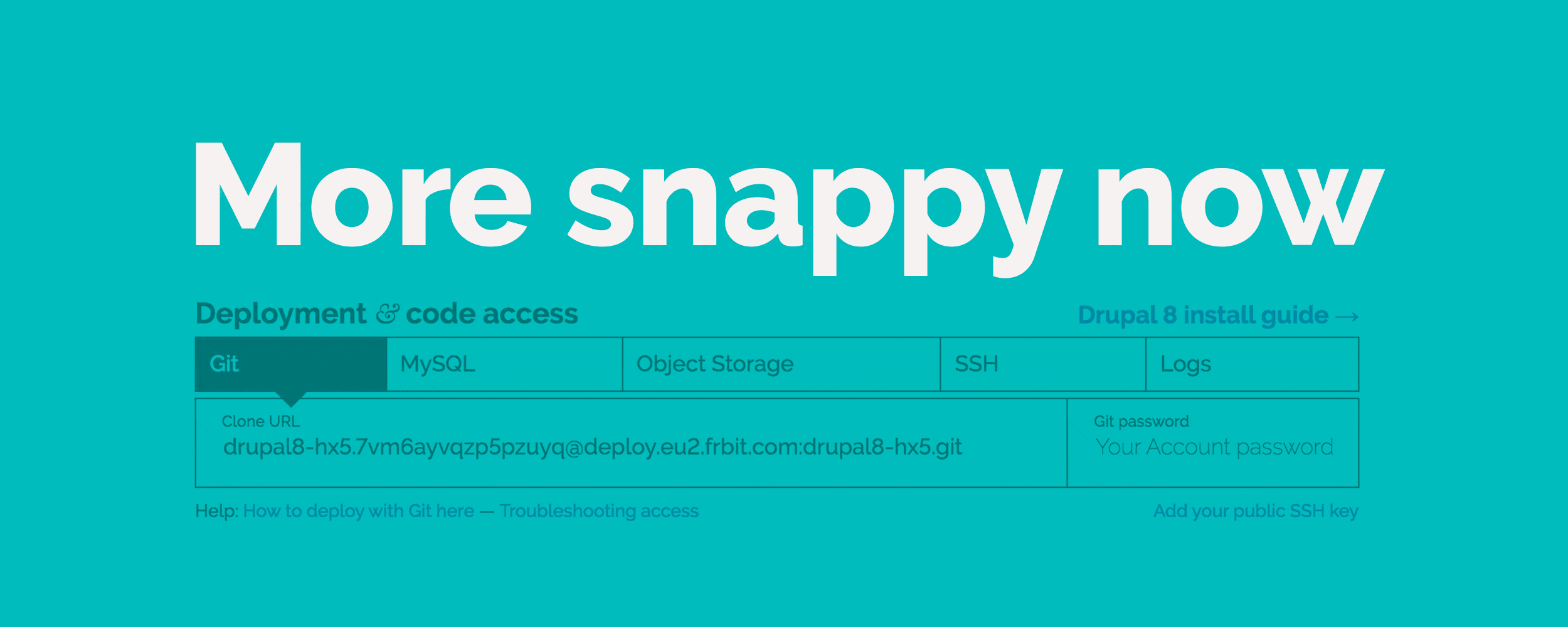
Password authentication as an alternative to SSH keys, plus documentation code examples that fill in real values while logged in.
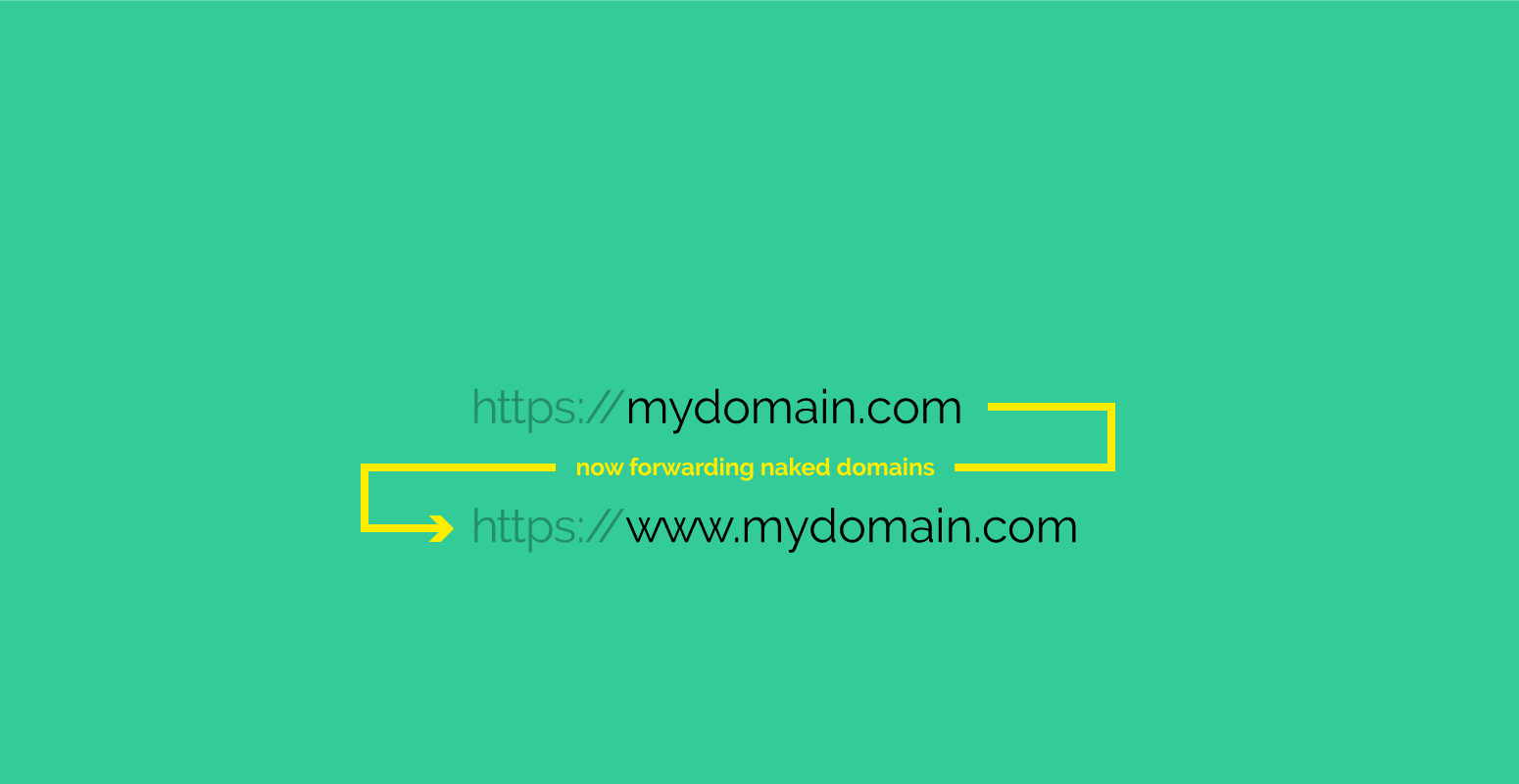
Domain setup on fortrabbit gets a clearer interface and a forwarding service for naked domains, following free HTTPS via Let's Encrypt.
Four years of PHP cloud hosting: what New Apps changed, where the company stands, and what the next year is meant to bring.
Free SSL certificates for custom domains via Let's Encrypt are here now.
Thoughts on flat file CMS and static site generators, mostly PHP-related.
Remote SSH execution runs artisan and other framework commands directly on the environment, without a tunnel and a special config.
HTTP/2 promised faster delivery. What measurements on a real PHP hosting platform actually showed, and where the gains went.
An integrated S3-compatible object storage for uploads, runtime data and static assets, easier to set up than S3 itself.
W
Insights why we will not offer an Add-On program soon and what we have instead
fortrabbit opens a US East data center location for new apps, and adds billing in US dollars alongside the euro.
One complicated support ticket about a bounced payment, printed almost in full — on privacy over convenience and disaster communication.
The Worker component moves long-running background tasks out of the web request, so customer-facing responses stay fast.
Is PaaS dead? Trends, pivots and troubles in PHP cloud hosting in 2015, seen from inside one of the companies competing in it.
A look at PHP e-commerce software in 2016, for the developers and entrepreneurs still building custom shops against Amazon.

2015

New Apps reach general availability, more scalable and extensible than the beta, and the platform update that got them there.
H
TLS, SNI, certificate authorities and HTTP/2, and why a hosting platform should not rush any of them into production.
Content management systems went quiet in the PHP conversation. Are they ready for the cloud, and what would that even require?
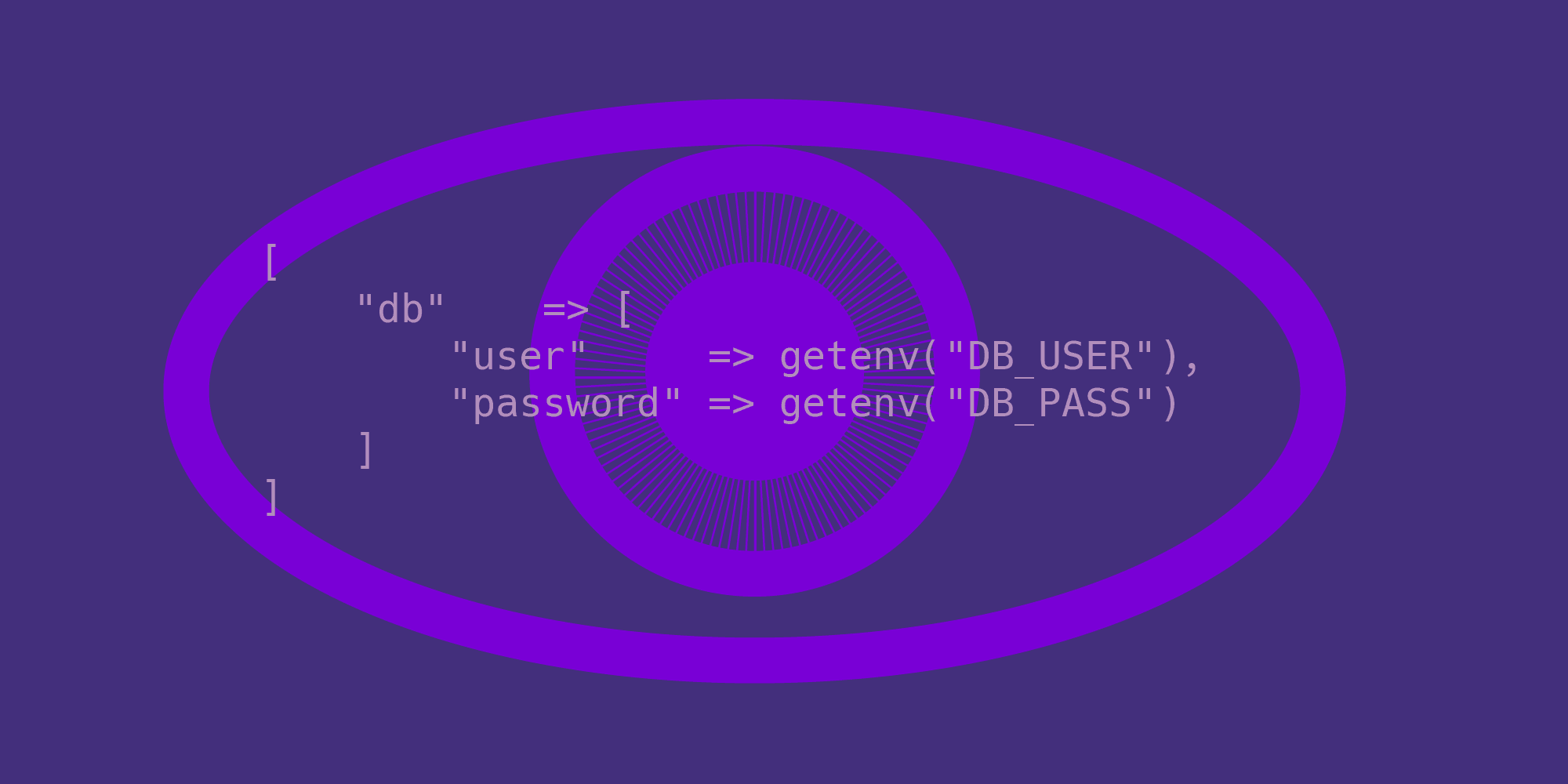
Passwords in git are bad and environment variables are not perfect either. Where application secrets should actually live.
D
How to use a Dropbox account as persistent cloud storage for uploads on a New App, when the local file system no longer survives a deploy.
S
Set up Amazon S3 with IAM as cloud storage for a PHP app, and upload files to it from application code with Flysystem.
New Apps enter beta: twice as fast at half the price, built around ephemeral storage and a rethought hosting architecture.
Which PHP versions fortrabbit supports and for how long, from starting out on 5.4 in 2013 through the moves to 5.6 and 7.0.
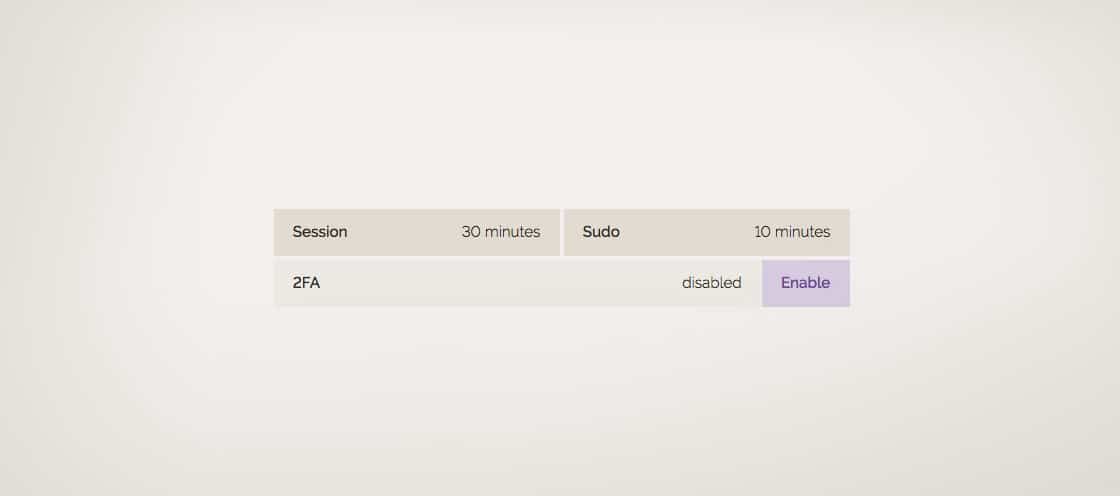
Two-factor authentication arrives for fortrabbit accounts, together with configurable session and sudo timeouts.
Ten principles of modern PHP application design, from dependency management to deployment, as we apply them on our own hosting platform.
Automated asset pipelines for CSS, JS and images: how to build them and how to deploy the output when storage is no longer persistent.
S
What customers said in a survey about fortrabbit and about hosting in general, and which conclusions were actually drawn from it.
Value-based against cost-based pricing for a hosting service, written when Heroku dropped its free tier and changed the entry plan.
A stubborn look at hosting options for developers — shared, VPS, cloud and PaaS — and which of them fits which kind of project.
Two small dashboard additions: batch importing environment variables from a .env file, and DNS checks on domain setup.
The fortrabbit roadmap after the dashboard relaunch, and the groundwork already laid for the updates that follow it.
B
How hustling with accounting keeps us away from developing our service.
Password rules sit between usability, culture and security. What a security researcher's review changed in the fortrabbit dashboard.
N
Releasing a dashboard that took years to write, then watching how it lands. On feedback, missing features and shipping big projects.
M
A guide for existing users moving into the new fortrabbit dashboard: what changed, what stayed, and where to find each feature.
T
The new fortrabbit dashboard ships after more than a year of work. What changed, what it cost, and where the roadmap goes next.
A
A new blog layout on a new engine, and why a static site generator replaced WordPress for a developer-facing company blog.
The Blackfire PHP profiler becomes available on fortrabbit, and how a sales pitch from SensioLabs turned into an actual integration.

2014

U
Platform changelog for 24 October 2014: PHP updated to 5.4.34 and to 5.5.18 across the fortrabbit hosting stacks.
N
What actually changes for existing customers when the new fortrabbit dashboard arrives, including the move from freemium to a free trial.
P
SSL v3 is switched off across the platform in response to the POODLE vulnerability. No action is needed on the client side.
What to expect from the rebuilt fortrabbit dashboard, months before its release: the process, the features and the reasoning.
N
status.fortrabbit.com becomes the official channel for scheduled maintenance and incidents, with mail, SMS and RSS subscriptions.
An interview with freelance developer Lee Tengum about building offload.io, one of the projects hosted on fortrabbit.
Price cuts for the Memcache, MySQL and Workers add-on plans, and why cloud pricing has not followed Moore's Law so far.
The SMTP wrapper and the ReSync tool are switched off ahead of the new dashboard, with a note on how features reach end of life.
2
PHP turned twenty. An infographic through the history of the language that still powers most of the pretty home pages on the web.
C
Random 408 errors that appeared out of nowhere, and the hunt through load balancers and timeouts that finally explained them.
N
New Relic support lands on fortrabbit under a bring-your-own-license model, with the daemon running on the platform side.
A subjective insider tour through the PHP cloud hosting scene of 2014: who arrived, who struggled, and what changed since 2012.
U
Platform changelog for 14 April 2014: PHP 5.4.27 and 5.5, updated Memcached and MongoDB extensions, and ZSH available over SSH.
H
This exploit is a vulnerability in the heartbeat of TLS in the OpenSSL implementation. We're patched up by now.
S
Enhancing our platform with professional & reliable developer to developer support.
fortrabbit announces the world's first Fortran platform as a service, with a new stack and full support. Published 1 April 2014.
U
Platform changelog for 30 March 2014: PHP 5.4.26 and PHP 5.5.10 on the stacks, and a Phalcon update to version 1.3.2.
S
The freemium development plan is replaced by a free trial. The reasoning, the timeline, and what it means for existing accounts.
U
Platform changelog for 13 March 2014: PHP 5.4.26, plus pre-deploy commands and Composer prefer-source in the deployment file.
P
PHP 5.5 arrives with OPcache and optional APCu, alongside deployment improvements that make future platform upgrades quicker.
N
Announcing scheduled maintenance work for the new year, what will be touched and which downtime to expect on hosted apps.

2013

S
Where the platform stands in late 2013: a new dashboard in the making, what shipped since launch, and what did not.
U
Connect the Codio web IDE to a fortrabbit app and deploy straight from the browser over git. The setup, in a few steps.
N
The boarding bonus experiment gave new accounts extra credit for a longer test drive. How it worked, and why it ended.
N
The tasklist replaces a plain freemium tier with something fairer and more playful, based on measured behavior of new accounts.
C
One year of running a PHP hosting platform: a thank-you to the clients who trusted an unfinished product, and what comes next.
F
Is freemium the right business model for our service or shall we switch to a free trial model?
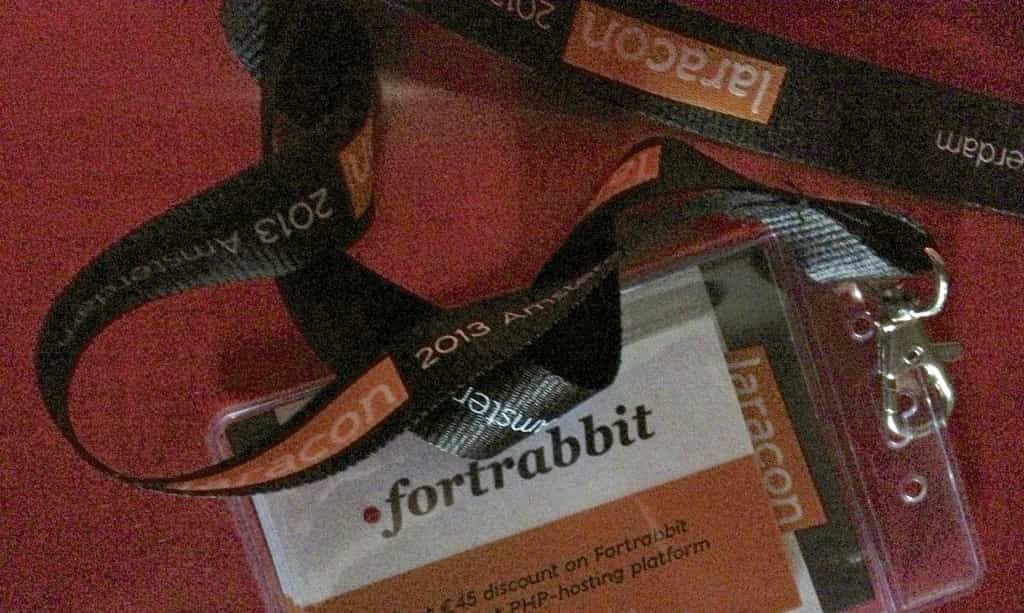
Notes from Laracon 2013 in Amsterdam, on the relationship between Symfony and Laravel and where the PHP framework scene was heading.
I
Set up continuous integration with Codeship and deploy the result to fortrabbit, for teams that want tests to gate a release.
U
Results and learnings from our latest questionnaire among our users with 327 answers.
H
How a hosting provider turns vague expectations into concrete plans: the Map your App decision helper and the reasoning behind it.
W
We have a new Add-On: Workers! Learn about it and what you can do with it.
P
Hosting is still argued over price and performance. The case for judging it by convenience instead, from a PHP platform startup.
S
A case study of an agency site hit by a sudden traffic peak, what broke, and how the hosting setup was adjusted while it was happening.
D
In May 2013 the fortrabbit platform was successfully attacked. The full account of what happened, what leaked and what changed after.
H
Two weeks of downtimes in 2013, explained from the inside: what broke, what it meant for a young hosting company, and what changed.
F
Free PHP hosting is one of the most frequent searches leading to fortrabbit. Why the offer does not exist, and what it would really cost.
N
Write protection reduces the privileges of a running app, and it is worth enabling on every production app. Why it took a while to build.
N
The PHP XSL extension is deployed across the platform, which makes Symphony CMS and its XML and XSLT templates run on fortrabbit.
1
Our first 4 digits number! Thank you for your interest in our service!
S
PHP CLI and git become available inside the SSH account, so artisan, the Symfony console and other framework tools run on the server.
O
A new PHP settings page in the dashboard lets each app switch optional PHP extensions on and off without a support request.
G
fortrabbit shuts down WebRechnung and the remaining MISH services, to put everything behind the new PHP hosting platform.
F
The fortrabbit roadmap for 2013, written by the person who joined to sit between the technical and the product side of the company.

2012

D
Code in git, dependencies in Composer, assets in object storage, mail in a service: the case for modular, decoupled hosting.
A
Permission management arrives: app collaboration for teammates, owner transfer, and the multi-tenancy workflows that come with it.
W
IaaS, PaaS, bare metal, shared or managed hosting: how to decide, written for clients whose old hosting platform was being retired.
T
The fortrabbit roadmap for the coming year, written at the point where a young PHP platform decides what to build next.
B
Slides and notes from the fortrabbit talk at the Berlin PHP user group, given by the person with the least PHP knowledge in the room.
S
A screencast showing one way to set up Symfony 2 on fortrabbit, recorded for the Symfony Live event in Berlin in 2012.
F
This video show you how to install FuelPHP on fortrabbit with Git and PhpStorm.
G
The cloud: economically attractive, but what the about ecological impact?
T
Brutal price competition produces factory farming in meat and something similar in hosting. An illustrated argument about cheap.
S
This videos shows you how to set up SlimPHP on fortrabbit with Git and Composer
I
A screencast walking through installing Laravel and deploying it to fortrabbit with git, from an empty folder to a running site.
H
A screencast deploying a simple hello world from PHPStorm to fortrabbit, and a note on how much work tutorial videos actually are.
R
Going generally available without a public beta period: the case for launching a hosting service early and iterating in the open.
T
fortrabbit announces general availability of its PHP hosting platform from Berlin, and the problem it was built to solve.
P
A collection of links on the modern side of PHP, gathered when the language was shaking off its spaghetti-code reputation.
M
How to setup a production/development work-flow for website development.
F
Building a PaaS in Berlin without venture capital: what bootstrapping decides about pricing, pace and the product itself.
T
A manifest for what a PHP platform as a service should do, written in 2012 when none of the existing ones came close to it.
A
An introduction to Composer for PHP developers who have not used a dependency manager yet, and how it fits into deployment.
B
The private beta of the fortrabbit PHP platform opens and the first invitations go out. What testers can expect during the beta period.
B
What 160 developers told us about their PHP workflows, hosting and tools, and how the answers shaped the platform we then built.
A
Results of a survey among developers and designers about hosting, workflows and tools — data that was not available anywhere else in 2012.
W
The www subdomain is optional, hard to say out loud, and still everywhere. On apex domains, print designers and old internet habits.
S
The first fortrabbit help pages go live, and the search for a knowledge base system that suits a small hosting company.
O
A first look at browser-based code editors and web IDEs in 2012 — what the category promised, and whether it was any good yet.
T
Will small hosting plans end up free? Someone always pays for the resources — a look at freemium in hosting after AppFog's pricing.
V
How locked in is a website to its hosting provider, and does portability across clouds mean anything in practice for a PHP app?
C
A sneak peek at the handmade fortrabbit error pages, built to be useful in the moment something on a hosted site goes wrong.
A
New-school cloud or legacy LAMP style — what's state of the art in PHP hosting?
C
A 2012 snapshot of the PHP PaaS field — Heroku, PHP Fog, Pagodabox, dotCloud, cloudControl and the European newcomers. Most of them are gone.
W
What became of MISH, the bare-metal hosting platform fortrabbit ran in a Berlin data center before building a PHP cloud service.
N
A coming-soon page for fortrabbit.com with an HTML5 video background, and a survey asking developers what the platform should be.
H
The first post on the fortrabbit blog, announcing a next-generation PHP platform built in Europe, and what this blog will be for.