Cookies ahead

Our support chat tool "Intercom" would like to collect some more data on you. See the related link for more details.

Docs

fortrabbit blog

RSS— tag chronicles

2014

N
What actually changes for existing customers when the new fortrabbit dashboard arrives, including the move from freemium to a free trial.
P
SSL v3 is switched off across the platform in response to the POODLE vulnerability. No action is needed on the client side.
What to expect from the rebuilt fortrabbit dashboard, months before its release: the process, the features and the reasoning.
N
status.fortrabbit.com becomes the official channel for scheduled maintenance and incidents, with mail, SMS and RSS subscriptions.
An interview with freelance developer Lee Tengum about building offload.io, one of the projects hosted on fortrabbit.
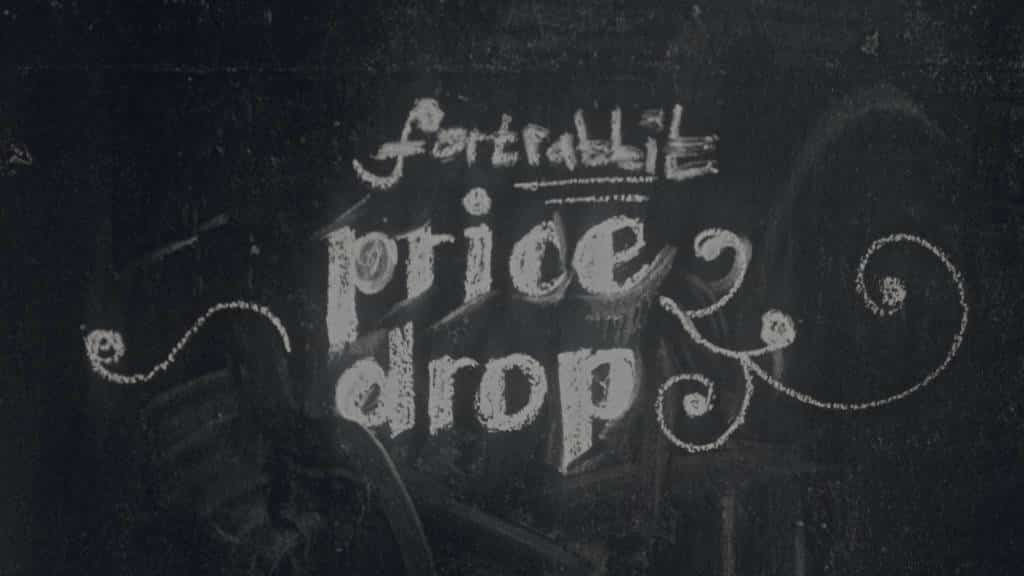
Price cuts for the Memcache, MySQL and Workers add-on plans, and why cloud pricing has not followed Moore's Law so far.
The SMTP wrapper and the ReSync tool are switched off ahead of the new dashboard, with a note on how features reach end of life.
N
New Relic support lands on fortrabbit under a bring-your-own-license model, with the daemon running on the platform side.
S
Enhancing our platform with professional & reliable developer to developer support.
S
The freemium development plan is replaced by a free trial. The reasoning, the timeline, and what it means for existing accounts.

2013

S
Where the platform stands in late 2013: a new dashboard in the making, what shipped since launch, and what did not.
C
One year of running a PHP hosting platform: a thank-you to the clients who trusted an unfinished product, and what comes next.
F
Is freemium the right business model for our service or shall we switch to a free trial model?
U
Results and learnings from our latest questionnaire among our users with 327 answers.
D
In May 2013 the fortrabbit platform was successfully attacked. The full account of what happened, what leaked and what changed after.
H
Two weeks of downtimes in 2013, explained from the inside: what broke, what it meant for a young hosting company, and what changed.
N
Write protection reduces the privileges of a running app, and it is worth enabling on every production app. Why it took a while to build.
N
The PHP XSL extension is deployed across the platform, which makes Symphony CMS and its XML and XSLT templates run on fortrabbit.
1
Our first 4 digits number! Thank you for your interest in our service!
S
PHP CLI and git become available inside the SSH account, so artisan, the Symfony console and other framework tools run on the server.
G
fortrabbit shuts down WebRechnung and the remaining MISH services, to put everything behind the new PHP hosting platform.
F
The fortrabbit roadmap for 2013, written by the person who joined to sit between the technical and the product side of the company.

2012

A
Permission management arrives: app collaboration for teammates, owner transfer, and the multi-tenancy workflows that come with it.
T
The fortrabbit roadmap for the coming year, written at the point where a young PHP platform decides what to build next.
B
Slides and notes from the fortrabbit talk at the Berlin PHP user group, given by the person with the least PHP knowledge in the room.
T
fortrabbit announces general availability of its PHP hosting platform from Berlin, and the problem it was built to solve.
B
The private beta of the fortrabbit PHP platform opens and the first invitations go out. What testers can expect during the beta period.
A
Results of a survey among developers and designers about hosting, workflows and tools — data that was not available anywhere else in 2012.
S
The first fortrabbit help pages go live, and the search for a knowledge base system that suits a small hosting company.
W
What became of MISH, the bare-metal hosting platform fortrabbit ran in a Berlin data center before building a PHP cloud service.
N
A coming-soon page for fortrabbit.com with an HTML5 video background, and a survey asking developers what the platform should be.
H
The first post on the fortrabbit blog, announcing a next-generation PHP platform built in Europe, and what this blog will be for.